
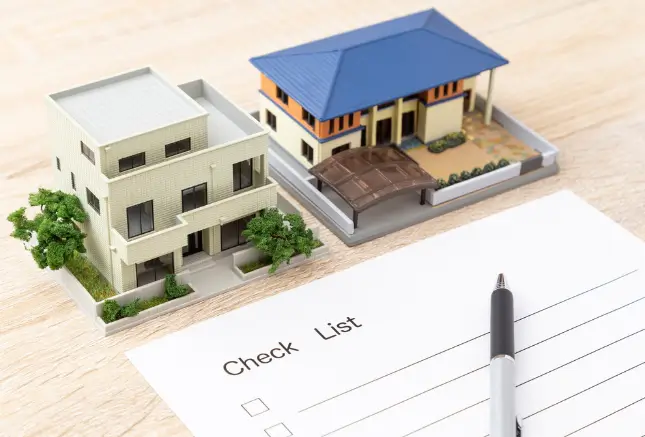
As a property owner in Texas, maintaining the long-term health of your investment goes beyond responding to emergencies.
Routine property maintenance prevents costly repairs, enhances curb appeal, protects tenants, and boosts property value.
Whether you own a rental home, commercial property, or manage multiple units, this guide will walk you through a comprehensive property maintenance checklist designed for Texas properties and climate.
And if you’re looking for professional help with your property maintenance, from preventive care to emergency repairs, TX Sparks Property Management has the expertise and local know-how to partner with you.
Why Property Maintenance Matters in Texas
Texas’s diverse weather, from scorching summers to occasional severe storms, affects properties differently than other regions.
Heat can accelerate roof wear, humidity can affect HVAC systems, and heavy rains can reveal drainage issues.
Moreover, a tailored property management maintenance checklist helps you prepare for all seasonal challenges and keeps systems running smoothly all year long.
You can also read: How Proper Property Maintenance Helps Increase Your Property Value.
8 Core Components of a Property Management Maintenance Checklist
Below is a complete, step-by-step checklist every Texas property owner should follow.
You can use this as your property management preventive maintenance checklist to avoid unexpected repairs and tenant complaints.
1. Quarterly Property Inspections
Regular inspections help catch small issues before they escalate.
- Exterior inspection: Look for cracked siding, deteriorating paint, and signs of moisture damage.
- Foundation check: Texas soil expands and contracts with moisture, which can affect foundations if ignored.
- Roof inspection: Check shingles, flashing, and gutters after storm seasons.
- Walkways and driveways: Identify cracks, loose pavers, or trip hazards.
- Lighting: Ensure exterior lights and parking area lighting are functional.
2. HVAC System Maintenance
Given Texas’ long summers, keeping HVAC units in top condition is critical.
- Replace air filters every 30–90 days.
- Schedule professional HVAC servicing at least twice a year (spring and fall).
- Clean evaporator coils, condensate drain lines, and outdoor units.
- Test thermostats to ensure accurate temperature control.
3. Plumbing and Water Systems
Prevent leaks and water damage with early detection.
- Inspect all faucets for drips and low pressure.
- Check under sinks and around toilets for signs of moisture.
- Test water heaters for rust, leaks, and age-related issues.
- Flush water heaters annually to remove sediment buildup.
- Evaluate outdoor irrigation systems for broken heads or overspray.
4. Electrical Safety and Appliances
Electric issues can lead to fire hazards or tenant dissatisfaction.
- Test GFCIs and reset if necessary.
- Replace worn or exposed wiring.
- Ensure circuit breakers are labeled and operational.
- Check all built-in appliances in rental units (dishwashers, garbage disposals, ovens, etc.) for wear.
5. Safety and Code Compliance
Protect your tenants and meet legal requirements.
- Test smoke and carbon monoxide detectors quarterly.
- Replace batteries annually or with tenant turnover.
- Ensure fire extinguishers are accessible and charged.
- Check that exits and emergency lighting are functional.
6. Grounds and Landscaping
First impressions matter, and so does proper drainage.
- Trim trees and bushes away from structures.
- Clear debris from gutters and downspouts to prevent water damage.
- Inspect fences, patios, and outdoor structures.
- Maintain lawns, walkways, and common areas for safety and aesthetics.
7. Interior Routine Care
Tenants appreciate a well-maintained interior environment.
- Replace worn weather stripping on doors.
- Evaluate insulated windows and seals.
- Inspect carpet, tile, and wood flooring for damage.
- Touch up paint as needed to keep interiors fresh.
8. Tenant Communication & Documentation
A good property management maintenance checklist also involves clear communication.
- Inform tenants of seasonal maintenance schedules.
- Provide a streamlined system for submitting maintenance requests.
- Keep detailed records of inspections, repairs, vendor communications, and receipts.
You can also read: Do Home Renovations Increase Property Taxes?
Seasonal Property Management Maintenance Checklist for Texas
Spring
- Inspect roofs and gutters after winter rains.
- Prep HVAC for cooling season.
- Check exterior paint and siding.
Summer
- Monitor and maintain irrigation systems.
- Schedule landscape trimming.
- Check for storm damage after summer thunderstorms.
Fall
- Service HVAC for the heating season.
- Clean and secure gutters.
- Test safety alarms.
Winter
- Protect plumbing against freezing temperatures (especially in the Panhandle and North Texas).
- Inspect insulation and weather stripping.
- Evaluate outdoor lighting for shorter days.
Property Management Maintenance Texas – Why Partner with Professionals?
Managing your own maintenance is possible, but for many property owners, especially those with multiple units or remote investments, it can quickly become overwhelming.
That’s where TX Sparks Property Management stands out. With a technology-driven, proactive approach to property care, including a dedicated maintenance team and regular inspections, they help you:
- Save time and money through preventive maintenance.
- Reduce emergency repair costs.
- Enhance tenant satisfaction and retention.
- Keep your property compliant with local Texas regulations.
Start your FREE 3-week trial today and experience hassle-free property maintenance with TX Sparks Property Management.
You can also read: When Should a Landlord Hire a Property Management Company?
Conclusion: Protect Your Investment with Proactive Property Maintenance
A robust property maintenance checklist isn’t just a list; it’s a strategy that protects your investment, satisfies tenants, and ensures long-term profitability.
From quarterly inspections to regular HVAC servicing, each task in this guide plays a vital role in preserving your Texas property’s value.
And if managing this feels like too much to handle alone, TX Sparks Property Management can help take it off your plate with personalized plans that fit your needs and budget.
Get in touch now and let us help you transform property maintenance from a chore into a competitive advantage.
FAQs
Q: What is the best frequency for property inspections?
Ideally, inspections should occur quarterly at a minimum, with additional checks after extreme weather events. Regular inspections catch issues early and save money in the long run.
Q: How does a preventive maintenance checklist reduce costs?
By identifying potential problems early, like a failing HVAC unit or minor water leaks, you prevent larger failures that often cost exponentially more in emergency repairs.
Q: Do maintenance responsibilities differ for commercial vs. residential properties?
Yes. Commercial properties typically require more frequent monitoring of shared systems (elevators, parking lots, communal HVAC), while residential units may focus more on interior living conditions.
Q: Can tenants be responsible for maintenance?
Tenant responsibilities are usually defined in lease agreements. Tenants may handle minor upkeep (like replacing light bulbs) but larger system checks and structural maintenance remain the owner’s responsibility.